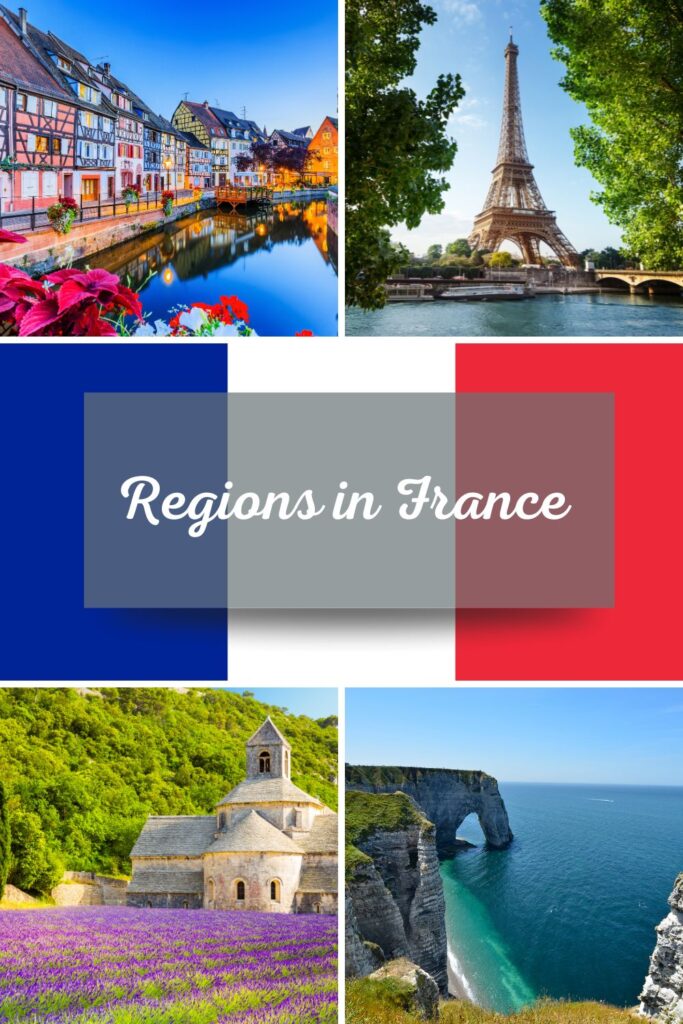
France is a land of extraordinary variety, boasting a rich blend of geography, culture, and history. Its regions, each with a distinct identity, serve as the backbone of the French Republic. From the bustling metropolitan hub of Île-de-France to the picturesque landscapes of Nouvelle-Aquitaine, the regions of France map a diverse and captivating panorama. Whether you’re exploring the medieval castles of Centre-Val de Loire, the vineyards of Grand Est, or the sunny coastline of Provence-Alpes-Côte d’Azur, France offers something for everyone in its mainland and overseas territories.
Administrative Structure of France
France is organised into 18 administrative regions, comprising 13 metropolitan regions and five overseas regions. This structure was streamlined in 2016 through a major reorganisation of its regions, aimed at improving governance and fostering economic development. Each region operates under a regional council and is governed by a regional president, responsible for managing local authorities and shaping regional policies.
These territorial authorities are essential to France’s administration and highlight the regional identity that reflects the country’s rich history and cultural diversity.
Northern France: A Historical and Cultural Haven
The northern regions of Grand Est, Hauts-de-France, and Normandy are steeped in history and culture. Grand Est is celebrated for its famous vineyards, producing Pinot Noir and sparkling wines, as well as the scenic Jura Mountains and Gothic cathedrals in Reims and Strasbourg.
Departments of Grand Est:
- Ardennes (08): Renowned for forested landscapes and fortified towns.
- Aube (10): Features Champagne vineyards and medieval architecture.
- Marne (51): Includes Reims, a Champagne production hub.
- Haute-Marne (52): Known for thermal spas and historical sites.
- Meurthe-et-Moselle (54): A centre for Art Nouveau in Nancy.
- Meuse (55): Home to Verdun, a pivotal site of World War I.
- Moselle (57): Includes Metz, famous for its Gothic cathedral.
- Bas-Rhin (67): Strasbourg, a hub of the European Union.
- Haut-Rhin (68): Known for Alsatian villages and vineyards.
- Vosges (88): Offers tranquil forests and the Vosges Mountains.
Normandy, including Lower Normandy (a former region), is famous for the D-Day beaches, medieval towns, and iconic sites like Mont Saint Michel, a UNESCO World Heritage Site.
Île-de-France: France’s Vibrant Heart
Île-de-France, home to the capital city of Paris, is the political and cultural nucleus of metropolitan France. From the Louvre Museum to Disneyland Paris and Gothic cathedrals, the region blends history and modernity.
Departments of Île-de-France:
- Paris (75): A global centre for art, fashion, and culture.
- Seine-et-Marne (77): Features Disneyland Paris and Château de Fontainebleau.
- Yvelines (78): Known for the Château de Versailles.
- Essonne (91): Offers natural parks and quaint small towns.
- Hauts-de-Seine (92): Includes La Défense, France’s business district.
- Seine-Saint-Denis (93): A hub of vibrant urban culture.
- Val-de-Marne (94): Home to scenic parks and the Marne River.
- Val-d’Oise (95): Known for Auvers-sur-Oise, where Van Gogh worked.
As the most populous region, Île-de-France is pivotal in the presidential election and the French Republic’s direction.
Central France: A Blend of Heritage and Beauty
Centre-Val de Loire is synonymous with the grandeur of Loire Valley Castles, a testament to the medieval times. The region also boasts a celebrated wine region, producing exceptional white wines.
Departments of Centre-Val de Loire:
- Loir-et-Cher (41): Known for Château de Chambord.
- Indre-et-Loire (37): Features Château de Villandry and Tours.
- Indre (36): Offers rural charm and medieval towns.
- Eure-et-Loir (28): Home to the famous Chartres Cathedral.
- Cher (18): Highlights include Sancerre vineyards.
- Loiret (45): Known for the city of Orléans and the Loire River.
The adjacent Pays de la Loire and Auvergne-Rhône-Alpes region, including the French Alps, further enrich Central France’s charm.
The South of France: Sun, Sea, and Heritage
Southern France is an enchanting blend of regions, including Provence-Alpes-Côte d’Azur, Occitanie, and Nouvelle-Aquitaine. Each offers its distinct charm, from sun-soaked coastlines to historical treasures.
Provence-Alpes-Côte d’Azur
Nestled along the Mediterranean, this iconic region is synonymous with the French Riviera, picturesque villages, and exquisite cuisine. Key attractions include the Canal du Midi, ancient fortresses, and the famed lavender fields.
- Alpes-de-Haute-Provence (04): Famous for its endless lavender fields and the dramatic Verdon Gorge, often dubbed Europe’s Grand Canyon.
- Alpes-Maritimes (06): Encompasses the glamorous Côte d’Azur, including hotspots like Nice and Cannes.
- Bouches-du-Rhône (13): Features Marseille, France’s vibrant second city, and the breathtaking Calanques National Park.
- Hautes-Alpes (05): A paradise for outdoor enthusiasts, offering Alpine hiking trails and ski resorts.
- Var (83): Known for idyllic beaches, renowned vineyards, and the historic town of Toulon.
- Vaucluse (84): Famous for Avignon’s medieval heritage and the celebrated wines of Châteauneuf-du-Pape.
Occitanie
A region of diversity, Occitanie boasts everything from the Canal de Bourgogne to stunning historical landmarks. Food lovers and nature enthusiasts alike will find much to explore.
- Ariège (09): Renowned for prehistoric caves and the scenic Pyrenean backdrop.
- Aude (11): Home to the legendary walled city of Carcassonne and sections of the Canal du Midi.
- Aveyron (12): Known for dramatic landscapes, including gorges and plateaus, and the origin of Roquefort cheese.
- Gard (30): A showcase of Roman architecture, including the impressive Pont du Gard.
- Haute-Garonne (31): Features the “Pink City,” Toulouse, with its rosy-hued buildings.
- Gers (32): Famous for foie gras production and rolling countryside.
- Hérault (34): Offers a Mediterranean coastline and the lively city of Montpellier.
- Lot (46): Features the breathtaking Dordogne Valley and the pilgrimage site of Rocamadour.
- Lozère (48): Known for the rugged beauty of Cévennes National Park.
- Pyrénées-Orientales (66): A fusion of Catalan culture and Mediterranean beaches.
- Tarn (81): Home to Albi’s cathedral and quaint, historic towns.
- Tarn-et-Garonne (82): Known for tranquil orchards and serene landscapes.
Nouvelle-Aquitaine
The largest region in France, Nouvelle-Aquitaine stretches from the Atlantic to the Pyrenees, offering a rich tapestry of vineyards, medieval towns, and the Basque Country.
- Dordogne (24): Renowned for its medieval charm, prehistoric caves, and culinary delights. Highlights include Château de Beynac and Sarlat-la-Canéda.
- Gironde (33): The heart of Bordeaux wine country, celebrated for its world-class vineyards.
- Charente (16): Offers scenic rivers, the Cognac region, and the European capital of comic art.
- Charente-Maritime (17): A coastal haven with stunning beaches, including those on the Ile de Ré.
- Creuse (23): A peaceful, rural escape with unspoiled landscapes.
- Landes (40): Famed for its vast pine forests and sandy Atlantic beaches.
- Lot-et-Garonne (47): Known for picturesque villages and the town of Agen, celebrated for its prunes.
- Pyrénées-Atlantiques (64): The gateway to Basque culture, offering world-class surfing in Biarritz and the charm of Bayonne.
Overseas France: A World Beyond the Mainland
France’s overseas departments and territories, such as French Guiana and islands in the Indian Ocean and Pacific Ocean, contribute to its global identity. While distinct from continental France, these regions remain integral to the French Republic.