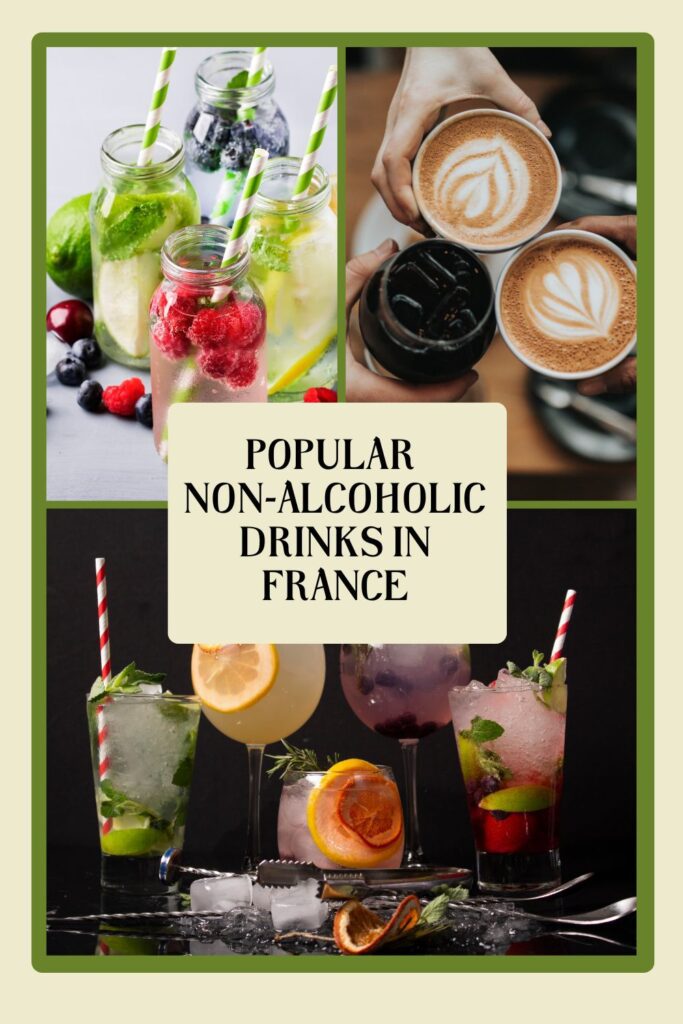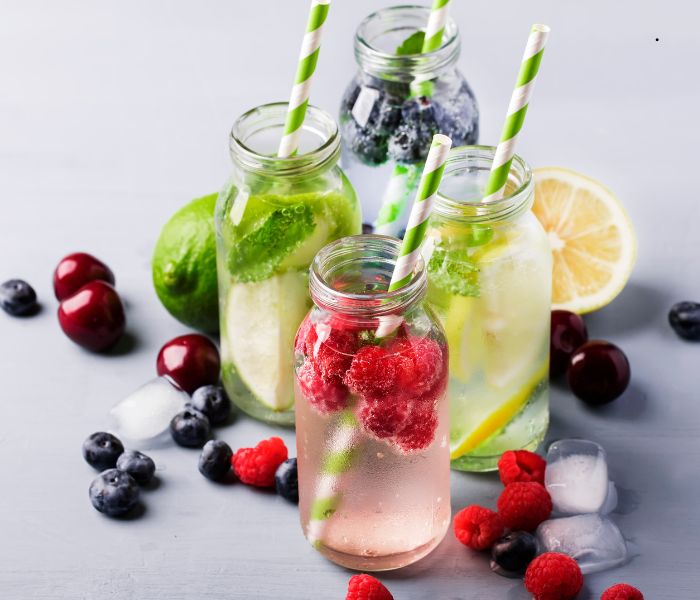
France has long been celebrated for its rich culinary heritage and iconic alcoholic beverages, but there has been a movement towards non-alcoholic alternatives in recent years. From non-alcoholic wine to innovative alcohol-free gin, French people are embracing a range of delicious drinks integral to social gatherings, such as a glass of red wine or white wine on a dinner table.
A Cultural Shift Towards Health and Wellness
A growing awareness of health has spurred public health initiatives and changes in lifestyle choices across the country. According to Santé Publique France statistics, the average alcohol consumption has been on a gradual decline, with a significant number of young people and pregnant women opting for non-alcoholic beverages. With Dry January and other health reasons encouraging moderation, many are choosing non-alcoholic wine and other alcohol-free products as a popular choice in social settings and at the dinner table.
Industry experts have noted that non-alcoholic drinks have moved from a niche market to an integral part of French culture. The majority of people are now keen to avoid alcohol abuse and prefer beverages made with fresh herbs, fruit juice, and other natural ingredients. It could also be that since COVID, people have re-evaluated their lifestyles in favour of healthy alternatives that still allow them to enjoy good times with friends and family.
Classic and Contemporary Alternatives
Traditional French beverages such as real wine have long been the centre of our lives. Still, innovative brands offer non-alcoholic alternatives that do not compromise on flavour profiles. One standout is Le Paon Qui Boit, a brand with a reputation for its non-alcoholic wine, crafted to mimic the complexity of red and white wine without the hard stuff. Using natural ingredients and techniques that respect the essence of French culture, their products have become popular among those seeking delicious drinks without alcohol.
Non-alcoholic beer has also carved out its space in the market, with major players like Pernod Ricard expanding their range of alcohol-free products. Many grocery stores now stock a variety of soft drinks and fruit juice options that are ideal for a refreshing drink on a medium-heat summer day or as a cold drink during the New Year celebrations.
Innovative mixes and classic cocktails have also received an alcohol-free twist. Original seasonal cocktails featuring fresh lemon, apple, orange, and pear juice transform how French people enjoy their beverages. Even the famed Kir Royal has been reimagined into an alcohol-free version, ensuring that special occasions and social gatherings can include everyone.
Natural Ingredients and Unique Flavour Profiles
A key trend in the burgeoning market for non-alcoholic beverages is the emphasis on natural ingredients and complex flavour profiles. Whether it’s the refreshing zest of fresh lemon juice or the aromatic allure of juniper berries in an alcohol-free gin, manufacturers are keen to prove that flavourful drinks do not require alcohol to be delightful.
Some innovative recipes incorporate anise-flavoured spirit notes or even simple syrup balanced with fresh herbs, creating a range of drinks that cater to every taste. These beverages are a hit among young people and have become a staple in social gatherings, serving as an excellent alternative to classic cocktails.
Celebrating Good Times Without Compromise
Social gatherings have embraced these innovative non-alcoholic alternatives, whether at a dinner table overlooking the Eiffel Tower or a festive season celebration in a new cellar. The idea is simple: enjoy the good times without the consequences of average alcohol consumption. From festive vin chaud during the winter months to refreshing summer drinks, these beverages are designed to ensure that every sip is packed with the same pleasure and celebration as their alcoholic counterparts.
For many, public health initiatives and a broader societal shift influence the transition to non-alcoholic beverages. Health reasons, including concerns over alcohol abuse and the desire to reduce per cent intake of alcohol, have contributed to this transformation. Most people now understand that choosing non-alcoholic drinks is not about sacrificing flavour or sophistication. Instead, it is about embracing a lifestyle that supports well-being while still enjoying the art of social gatherings.
Embracing a New Wave of Products
The non-alcoholic drinks sector is witnessing an explosion of new products that are capturing the market size and imagination of French consumers. Brands such as Breizh Cola have become synonymous with refreshing drink options that are perfect for a variety of social settings.
Breizh Cola is a regional cola produced by Phare Ouest and distributed throughout Brittany, France. It represents one of the new alternative cola offerings, often referred to as “altercola,” that are challenging the market dominance of long-established brands like Coca-Cola and Pepsi-Cola.
From the original seasonal cocktails that combine fruit juice with fresh herbs to sophisticated creations featuring non-alcoholic gin, these beverages are redefining the way we experience our drinks.
Valérie De Sutter, an industry expert, has highlighted that this shift is more than just a temporary trend. With a significant number of new drinks being launched every year, the movement towards alcohol-free beverages is set to grow even further. Innovative companies are focusing on perfecting their flavour profiles, ensuring that their non-alcoholic alternatives are as appealing as classic cocktails made with hard stuff.
Many of these products are now available in grocery stores across the country, making it easier for French people to enjoy these non-alcoholic beverages at home. Whether you’re planning a dinner party or simply looking for a refreshing drink to accompany a sunny afternoon, the market offers a diverse selection that caters to every taste—from hot chocolate in the cold months to a light, fruity beverage on a hot summer day.
The Intersection of Tradition and Innovation
While non-alcoholic wine and other alcohol-free products have gained immense popularity, they are not intended to replace the classic alcoholic beverages that have been a part of French culture for centuries. Instead, they offer an additional option for those who prefer a lighter alternative or who are influenced by health reasons and public health initiatives.
The innovative approach to crafting these beverages means that even traditional drinks such as red wine or white wine can be enjoyed in a new light. This harmonious blend of tradition and modern innovation is evident in the way non-alcoholic alternatives are integrated into social settings. From special occasions to everyday gatherings, these drinks allow everyone to enjoy a tasteful experience without feeling left out.
For instance, a refreshing fruit juice or a glass of alcohol-free wine can be just as delightful as a cocktail featuring juniper berries and anise-flavoured spirit. This balance is particularly appealing in settings like Paris’ 19th arrondissement, where the vibrant social scene calls for beverages that can match the energy and excitement of the city.
Looking Ahead: The Future of Non-Alcoholic Beverages in France
The trend towards alcohol-free drinks shows no signs of slowing down. As public health initiatives continue to encourage moderation and a growing awareness of health takes root in society, the non-alcoholic beverages market is expected to expand further. New products and flavourful drinks are continuously being developed, ensuring that there is something for every palate—from the classic non-alcoholic beer to innovative alcohol-free gin made with juniper berries.
Industry experts predict that this movement will not only change the way French people approach social gatherings but also influence broader alcohol markets. With health reasons and a desire to avoid alcohol abuse influencing consumer behaviour, more individuals are likely to choose these beverages during the festive season, at dinner parties, or simply as part of their daily routine.
The founder of non-alcoholic drinks brand JPNR is one such example of how innovative minds are reshaping the market. By focusing on natural ingredients and ensuring that every drink offers a unique taste experience, pioneers like these are setting the stage for a future where non-alcoholic alternatives are as celebrated as classic cocktails and real wine. Whether it’s a glass of alcohol-free wine at a new cellar event or a refreshing soft drink enjoyed near the Eiffel Tower, the centre of our lives is being reimagined one sip at a time.
Popular Non-Alcoholic Drinks in France
- Non-Alcoholic Wine
- Wine by Le Paon Qui Boit, offering the complexity of real wine without the alcohol.
- Alcohol-Free Gin
- Crafted with flavourful botanicals such as juniper berries and anise, providing a sophisticated alternative.
- Non-Alcoholic Beer
- A growing segment with options available from major industry players.
- Original Seasonal Cocktails
- Alcohol-free versions of classic cocktails, including creative twists on favourites like Kir Royal.
- Festive Vin Chaud (Alcohol-Free Version)
- A non-alcoholic take on the traditional spiced wine, perfect for winter gatherings.
- Hot Chocolate
- A comforting, rich option often enjoyed as a warming treat during colder months.
- Espresso
A concentrated coffee brewed by forcing hot water through finely ground coffee beans. - Café au Lait
A traditional French beverage made with equal parts of brewed coffee and steamed milk. - Fruit Juices and Fresh Pressed Drinks
- Fresh Lemon Juice: Often used in cocktails or enjoyed on its own as a refreshing drink.
- Orange Juice: A staple for a light, citrusy beverage.
- Fresh Pear Juice: A seasonal alternative with a unique, delicate flavour.
- Soft Drinks
- Cola, Orangina and Limonade are all popular soft drinks.
- Sparkling Water
- Perrier and Badoit are classic choices in France for a bubbly, refreshing drink.
- Diabolo
- A popular mixer in France, often made by combining soda water with a flavoured syrup (e.g. Diabolo Menthe).
- Iced Tea
- A refreshing, chilled tea option that’s increasingly popular as a non-alcoholic refreshment.