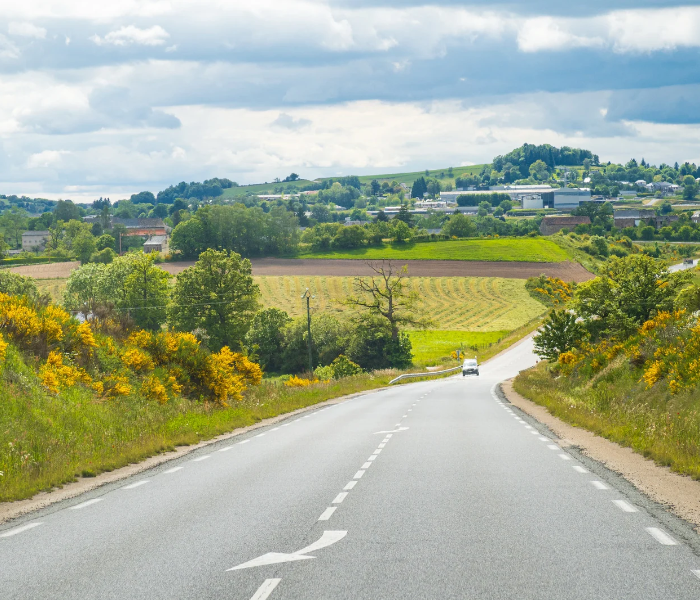
Driving in France is one of those things that can feel intimidating before you do it regularly, but once you get used to it, it becomes part of everyday life. For anyone living in rural France, especially in places like the Dordogne, having a car is not just convenient; it is often essential.
Unlike a city break where you can rely on trains, buses and taxis, life in the French countryside usually means driving to the supermarket, school, appointments, markets, brocantes and nearby towns. In the Dordogne, villages are spread out, public transport can be limited, and many of the most beautiful places are tucked away along quiet lanes.
Whether you have recently moved to France, are spending several months here, or are planning a longer stay, this guide covers what you need to know about driving confidently and legally.
Driving in France as Part of Everyday Life
When you first arrive, the biggest adjustment is usually remembering to drive on the right side of the road. In France, traffic keeps to the right-hand side of the road, which can feel strange if you are used to driving in the UK.
The good news is that it usually becomes easier quite quickly, especially once you are driving regularly. Roundabouts, junctions and supermarket car parks can take a little more concentration at first, but the routine soon starts to feel natural.
For many people moving to rural France, driving becomes the main way to stay independent. The best way to discover local life is often by car, whether you are heading to a weekly market, visiting a château, or taking a scenic detour through the French countryside.
How French Roads Feel Compared with the UK
One of the first things many British residents notice is how much space there often is on French roads, particularly outside larger towns. In rural areas, traffic is usually lighter, and driving can feel calmer than busy parts of the UK.
That said, rural driving comes with its own surprises. You may meet tractors, cyclists, deer, wild boar, slow-moving farm vehicles and drivers who know the bends far better than you do.
In the Dordogne, it is common to use quiet country roads for everyday journeys. These routes can be beautiful, but they may also be narrow, uneven and winding. Take your time, especially after heavy rain, during harvest season or when visibility is poor.
Understanding the Different Types of Roads
France has a well-organised road network, but it helps to understand the basic categories.
Autoroutes are the fastest roads and are often used for a long journey across the country. National roads tend to link towns and cities without motorway tolls. Departmental routes, often shown as D roads, are the local roads many of us use every day in the Dordogne.
These smaller roads often connect villages, hamlets and rural homes. They are useful, scenic and usually quiet, but they require patience. You may find sharp bends, soft verges, animals crossing, or farm vehicles appearing around corners.
A larger main road may feel straightforward, but always watch the signs. In France, priority and speed rules are not always what you might expect from the size of the road alone.
Driving Through Villages and Market Towns
One of the pleasures of living in France is being surrounded by small villages and characterful small towns. The Dordogne is full of beautiful stone houses, narrow lanes and old centres that were never designed for modern traffic.
When driving through villages, slow down early. Streets may suddenly narrow, pedestrians may step out from behind parked cars, and local drivers may stop to chat or unload shopping.
Market days can be especially busy. Parking may be limited, and one-way systems may change temporarily. In large towns such as Périgueux, Bergerac or Angoulême, allow extra time to find your way around, especially if you are not used to French lane markings or tram areas.
Built-Up Areas and Speed Awareness
In built-up areas, the usual limit is 50 km/h unless signs say otherwise. Some village centres have lower limits, particularly near schools, pedestrian zones or traffic-calming areas.
French speed limits can change frequently, so it is important to watch for signs rather than relying only on sat nav. You may move from 80 km/h to 50 km/h and then down to 30 km/h within a very short distance.
There are also many speed cameras in France, along with mobile checks. Some are well signposted, while others are not obvious until you are close to them.
If you are a new driver in France, build in extra time so you are not tempted to rush.
The Importance of Road Signs
Understanding French road signs makes everyday driving much less stressful. Many are similar to signs used elsewhere in Europe, but some catch people out.
A yellow diamond means that you have priority at upcoming junctions. If the sign has a black diagonal line through it, that priority is ending.
You may also see a yellow arrow during roadworks or temporary diversions. Follow it carefully, as it may take you through villages or rural routes that are unfamiliar.
At junctions, pay close attention to priority signs, road markings and give-way triangles. French signs are generally clear, but you need to look for them early.
Priorité à Droite
The rule that confuses many newcomers is priorité à droite. This means that traffic coming from the right may have priority, even if you feel as though you are on the more important road.
In practice, signs often override this rule, but it still appears in older villages and residential areas. When there are no clear priority signs, slow down and be ready to give way to vehicles joining from your right.
It can feel strange at first, but after a while you begin to spot the places where it is likely to apply.
Roundabouts, Junctions and Right of Way
French roundabouts are generally easy once you remember that traffic flows anti-clockwise. Vehicles already on the roundabout usually have right of way, unless signs indicate something different.
At junctions, be especially careful when turning left across oncoming traffic. This can feel unfamiliar if you previously drove on the left.
At some temporary lights or village junctions, you may come across a flashing amber light. This generally means proceed with caution, checking carefully for pedestrians and other traffic.
Traffic Lights, Red Lights and Level Crossings
Most traffic lights work exactly as you would expect. Stop at a red light, prepare at amber and go on green when safe.
However, some junctions include filter arrows or priority signs that may differ from what you are used to. Take your time and do not worry if local drivers seem impatient behind you.
If you reach a level crossing, never enter once the lights are flashing or barriers are moving. Even in quiet rural areas, trains can approach quickly.
Documents to Keep in the Car
If you are living in France or spending long periods here, keep your paperwork organised. If stopped by the French police, you may be asked to show identification and vehicle documents.
Useful paperwork includes the following documents: passport or ID, vehicle registration, insurance certificate, contrôle technique if applicable, and your driving licence.
If you have brought your own car from the UK, check whether you need to register it in France depending on your residency status and how long the vehicle will remain here.
It is also worth keeping your insurance company contact details in the glovebox or saved on your phone.
UK Drivers in France
Many UK drivers adjust well to French roads, but there are a few post-Brexit details to be aware of.
If you are visiting temporarily, you may be able to drive with your UK licence, but residents need to check the latest licence exchange rules. Your vehicle may also need a UK sticker if the number plate does not meet current requirements.
The old GB sticker is no longer valid for international driving, so check your car before travelling.
If you are unsure about your licence, registration or insurance position, it is a good idea to confirm the rules before you drive rather than assuming they are the same as they were before Brexit.
Visitors from Outside Europe
People arriving from outside Europe should check the rules before driving or hiring a car. Some visitors may need an international driving permit, depending on their country of issue and length of stay.
For example, visitors from the United States should check whether their American driver’s license is accepted by their hire company and whether a permit is recommended.
Rules may differ depending on whether you are visiting, working, studying or becoming resident in France.
Seat Belts and Child Passengers
Wearing a seat belt is compulsory for everyone in the vehicle. This applies to passengers in the front seats and rear seats.
Children must use suitable car seats or boosters based on their age and size. If you are moving to France with children, check that your seats meet current requirements and are fitted correctly.
This is treated seriously under French law, and fines may apply if passengers are not properly restrained.
Alcohol, Phone Use and Everyday Safety
France has strict drink-driving rules. The permitted blood alcohol level is lower than in some countries, and the safest choice is not to drink at all if you are driving.
The limit is measured in mg of alcohol, and police can carry out random breath tests, especially at weekends, during festivals or near holiday routes.
Using a handheld mobile phone while driving is also illegal. Set directions before you leave, use hands-free systems responsibly, and pull over safely if you need to check a message or change your route.
Toll Roads and Motorways
Although most day-to-day journeys in the Dordogne don’t involve motorways, you’ll probably use them when travelling further afield. Whether you’re heading to the Atlantic coast, the Alps or returning to the UK, France’s motorway network is one of the easiest ways to cover long distances.
Many autoroutes are privately operated, which means you’ll need to pay French motorway tolls. The amount depends on the distance travelled and the type of vehicle you’re driving.
If you’re making regular journeys, you’ll soon learn which routes are worth paying for and which can be replaced by quieter roads. In many cases, avoiding the motorway only adds a little extra driving time while allowing you to enjoy the scenery and discover places you would otherwise miss.
Paying at Toll Booths
Approaching the toll booths for the first time can seem confusing because there are often several lanes to choose from.
Look carefully at the signs above each lane. Some are reserved for electronic tags, while others accept cash or bank cards.
Most people simply use a credit card, although debit cards are also widely accepted. Contactless payment is becoming more common, but carrying an alternative payment method is sensible in case a machine rejects your card.
Larger toll plazas are usually well signposted, giving you plenty of time to choose the correct lane before reaching the barriers.
Fuel and Service Stations
Fuel is available throughout France, although prices vary considerably.
Motorway services tend to be the most expensive, while supermarket forecourts usually offer the lowest prices.
Whether you call them petrol stations or gas stations, you’ll find most are open during the day, with many offering 24-hour self-service pumps that accept payment cards.
If your vehicle uses diesel fuel, make sure you select the correct pump, as several diesel grades may be available.
Parking Around France
Parking rules are generally straightforward once you become familiar with local systems.
Most towns offer a mixture of parking spaces, on-street bays and larger parking lots close to shopping areas.
Historic town centres can be more challenging because streets were designed centuries before cars existed. Don’t be surprised if some roads appear extremely narrow.
Street Parking
You’ll often use street parking for short visits, but always check nearby signs before leaving your vehicle.
Restrictions vary between communes, and some areas are limited to residents or short stays.
Where payment is required, you’ll usually find parking meters or ticket machines nearby.
Parking Garages
Larger towns such as Périgueux and Bergerac have several parking garages, which can be particularly useful during busy market days or festivals.
They’re often a good option if you want your vehicle to stay cool during the summer or you’re carrying shopping.
Blue Zones
Many French towns use blue zones where parking is free for a limited period.
You’ll need a parking disc showing your arrival time, which can be purchased from supermarkets, garages or motoring shops.
These areas are designed to keep vehicles moving so shoppers can find convenient spaces throughout the day.
Outside the busiest centres, you’ll often find areas offering free parking, although they may involve a short walk into town.
Driving in Low Emission Zones
Several major cities now operate low emission zones to improve air quality.
If you’re planning to visit Lyon, Grenoble, Strasbourg or Paris, you may need a Crit’Air sticker before entering certain areas.
This system generally doesn’t affect daily driving around rural Dordogne, but it’s worth checking before travelling elsewhere in France.
Hiring a Car
Many newcomers hire a vehicle while deciding whether to buy one.
Most rental companies offer vehicles at airports, railway stations and larger towns.
Before leaving the depot, inspect the car carefully and photograph any scratches or dents. It’s also worth checking the tyres, fuel level and spare wheel.
Your rental car company should explain local regulations and emergency procedures before you set off.
Manual or Automatic?
Unlike some countries, France still has a large number of cars with manual transmission.
If you prefer automatic cars, reserve one well in advance, particularly during the summer holidays, as availability can be limited.
Many people who are adapting to driving on the opposite side find an automatic transmission much less stressful during their first few weeks.
Everyday Driving in Rural France
One thing I’ve learned after living here is that rural driving follows a different rhythm.
It’s perfectly normal to slow down behind a tractor during harvest season or wait while livestock cross the road.
Cyclists are common, particularly on sunny weekends, and you’ll often come across horse riders or walkers using quiet lanes.
Patience goes a long way, and most local drivers are used to sharing the road.
Planning Your Journey
Even after several years in France, I still rely on Google Maps for unfamiliar routes.
It’s excellent at estimating your arrival time, avoiding traffic and suggesting alternative roads.
That said, don’t always accept the quickest option without checking it first. Sat nav can sometimes direct you onto extremely narrow lanes that are technically passable but not ideal for larger vehicles.
Accidents and Breakdowns
If you’re involved in an accident, remain calm and make sure everyone is safe.
If necessary, contact the emergency services immediately.
Exchange details with the other driver, take photographs and notify your insurer as soon as possible.
Having third-party liability insurance is compulsory, but many residents also choose European breakdown cover for extra reassurance, particularly if they travel back to the UK or explore neighbouring countries regularly.
It provides valuable peace of mind, especially on longer journeys.
Documents Worth Carrying
Alongside your vehicle paperwork, it’s sensible to keep copies of important information in the car.
If you’re stopped by the authorities, having everything together makes the process much easier.
Depending on your circumstances, you may also need evidence of residency or additional insurance documentation.
Useful Tips for New Residents
After several years of driving in France, these are the habits I’ve found most useful:
- Slow down well before entering villages.
- Expect tractors during the growing season.
- Watch carefully for cyclists around blind bends.
- Fill up at supermarket fuel stations when possible.
- Keep a bottle of water in the car during the summer.
- Check market days before visiting busy towns.
- Don’t feel pressured by faster local drivers.
- Build extra time into unfamiliar journeys.
Frequently Asked Questions
Is driving in France easier than people expect?
For most people, yes. After the first few days, the biggest challenge is remembering which side of the road to drive on. Once that becomes natural, driving is generally relaxed, particularly in rural areas.
Are French roads well maintained?
Overall, yes. Even smaller departmental roads are usually in good condition, although they may be narrow and winding.
Do I really need a car in rural France?
In most villages, absolutely. While larger towns have some transport options, having your own vehicle makes everyday life far simpler than relying on limited bus services or public transportation.

Learning to drive in France is one of the biggest milestones for anyone settling here, but it quickly becomes second nature.
Some of our favourite days have come from simply choosing a different road home, stopping at a village bakery, or discovering a quiet viewpoint we’d never planned to visit. That’s one of the things I love most about living here – every drive has the potential to become a small adventure.
Whether you’re collecting fresh bread on a Sunday morning, heading to a local brocante or exploring another corner of the Dordogne, driving gives you the freedom to experience France beyond the guidebooks.
Take your time, learn the local rules, enjoy the slower pace, and you’ll soon discover why so many people fall in love with driving through rural France.