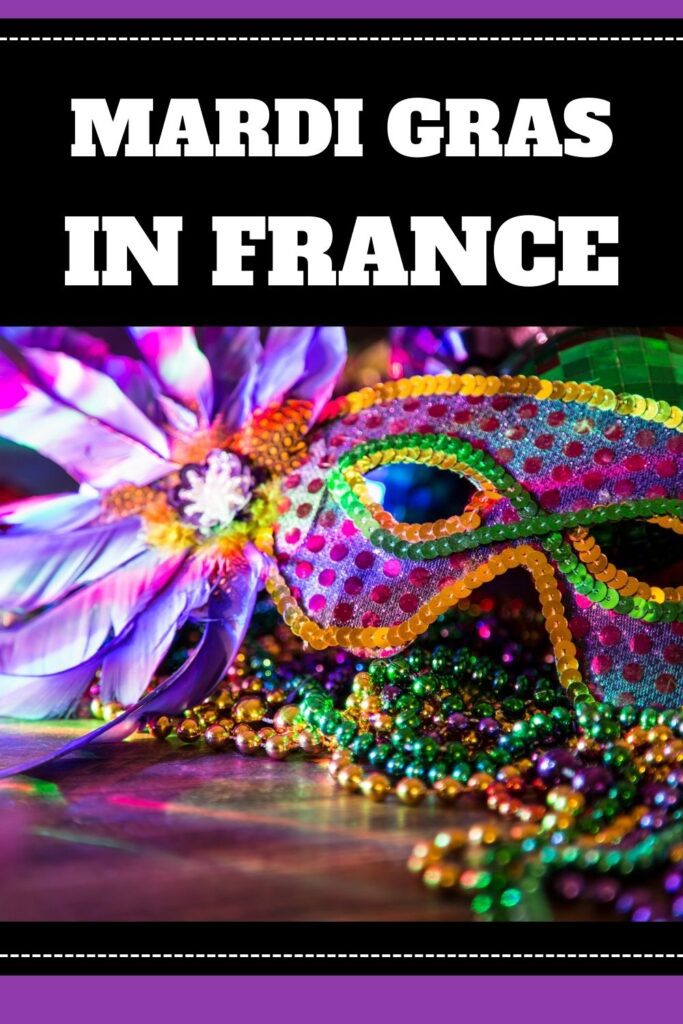
Mardi Gras is a cherished event in France and around the world. Though most commonly associated with the streets of New Orleans, its origins are deeply rooted in French history, Catholic tradition, and centuries-old European customs. In France, this festive day marks the end of winter and the beginning of Lent, with towns and cities bursting into life through colourful costumes, street parties, and traditional foods.
What Does Mardi Gras Mean?
The name Mardi Gras translates literally to “Fat Tuesday” in French. It’s the last day before Ash Wednesday and the start of Lent, a period of fasting and reflection in the Christian calendar that lasts until Easter Sunday. Historically, it was the final parade of indulgence before Lent, a time to enjoy rich foods such as meats, cheeses, eggs, and sweets.
In medieval Europe, this celebration was common among Catholic holidays, particularly in countries like France, Spain, and Italy. By the 16th century, it had become known as a great feast, especially in royal courts and large cities. Even Claude Monet painted the energy of le Carnaval in his work, showing the way this carnival tradition influenced French culture.
Origins of Mardi Gras in France
Mardi Gras has its origins in celebrations from Roman antiquity, later shaped by Christian practice. French people across the country adapted these festivals during the Middle Ages, turning them into events known as fat days, filled with fatty foods and merriment. The traditions varied by region but commonly featured the wearing of masks, elaborate costumes, and masquerade balls.
The French name and customs made their way to the United States through French settlers. The first Mardi Gras in what is now America was celebrated at Fort Louis de la Louisiane in 1703. Later, the Mistick Krewe of Comus, a secret society in New Orleans, popularised the event with parades and parties that mirrored those held in French towns.
Major Mardi Gras Celebrations in France
Nice Carnival – Carnival of Nice
The Carnaval de Nice, held in the French Riviera, is one of the most popular carnivals in the world. It takes place every February and runs for over two weeks. The streets fill with parades, giant flower battles, and floats that follow a different theme each year.
Visitors gather in Place Masséna and Place Gambetta to enjoy the festive displays, many inspired by historical, political, or pop culture references. The Battle of Flowers, where costumed performers throw blooms into the crowd, has become one of the event’s highlights.
The Paris Carnival or Carnaval de Paris is one of the oldest, dating back to the 13th century. After a long hiatus in the 20th century, it was revived and now brings music, giant figures, and a wave of colour to Place de la République and the surrounding city streets.
Parisians and tourists alike dress in elaborate costumes, often following themes inspired by folklore or fantasy. The symbolic procession of the Boeuf Gras (Fatted Ox), a tradition from the 18th century, symbolises abundance before Lent.
Dunkirk Carnival – North of France
The Dunkirk Carnival is an exceptional local tradition in the north of France. Known for its major drum parades and the tossing of smoked herrings from the town hall windows, it’s as bizarre as it is joyful. The celebrations often span a full week, concluding with the Trois Joyeuses, three consecutive days of festivities before Ash Wednesday.
What Makes Mardi Gras in France Unique?
While other parts of the world, like Rio de Janeiro or North America, are known for extravagant samba or bead-throwing celebrations, France’s Mardi Gras keeps a stronger connection to its Catholic roots, local customs, and medieval Europe.
Many French towns host their own versions of the celebration. Children dress up for school, bakeries prepare French doughnuts called “bugnes,” and families enjoy a final meal of rich foods like crepes and pastries. Icing sugar, citrus zest, and spices feature heavily in seasonal desserts.
This unique opportunity to indulge, socialise, and say goodbye to winter offers a strong sense of community, heritage, and joy. Even major retailers like Galeries Lafayette join in, with themed window displays and short video presentations highlighting the season.
Traditional Foods of Mardi Gras in France
Food plays a starring role in the celebration of Mardi Gras. In the weeks leading up to Shrove Tuesday, often referred to as Pancake Tuesday in the United Kingdom, French people prepare:
- Bugnes – Light, fried pastries, dusted with icing sugar, especially popular in Lyon and Saint-Étienne.
- Gaufres – French-style waffles, sometimes flavoured with citrus zest or vanilla.
- Crêpes – Thin pancakes served with sugar, jam, or chocolate spread.
- Fritters – Regional varieties include apple, raisin, or custard-filled delights.
These treats represent the last chance to use up fatty foods before the period of fasting begins.
Mardi Gras Beyond France
Though firmly rooted in French history, Mardi Gras has spread across many parts of the world, especially where French influence remains strong. In the United States, cities like Mobile, Alabama, and especially New Orleans have made it into a huge cultural spectacle.
In New Orleans, Mardi Gras is celebrated with multi-day parades, jazz bands, and ornate floats. Streets like Bourbon Street fill with revellers in costume. The city’s traditions trace back to French settlers and the French House of the Bourbons, who brought the custom to Louisiana in the 17th century.
Other countries, including Brazil and Italy, hold their own forms of carnival. But Mardi Gras in France stands out for its blend of Christian holiday symbolism, local traditions, and festive cheer.
Final Thoughts
From Pointe du Mardi-Gras to Opera de Paris, Mardi Gras in France is more than just a party. It is a vibrant thread in the fabric of French culture, a time when city streets become theatres, everyday people become performers, and fat days pave the way for reflection and renewal.
Whether you’re watching a final parade in Nice or frying French doughnuts at home, Mardi Gras is a special occasion worth experiencing. Its rich history, carnival traditions, and community spirit offer a window into both the past and the enduring joy of celebration.