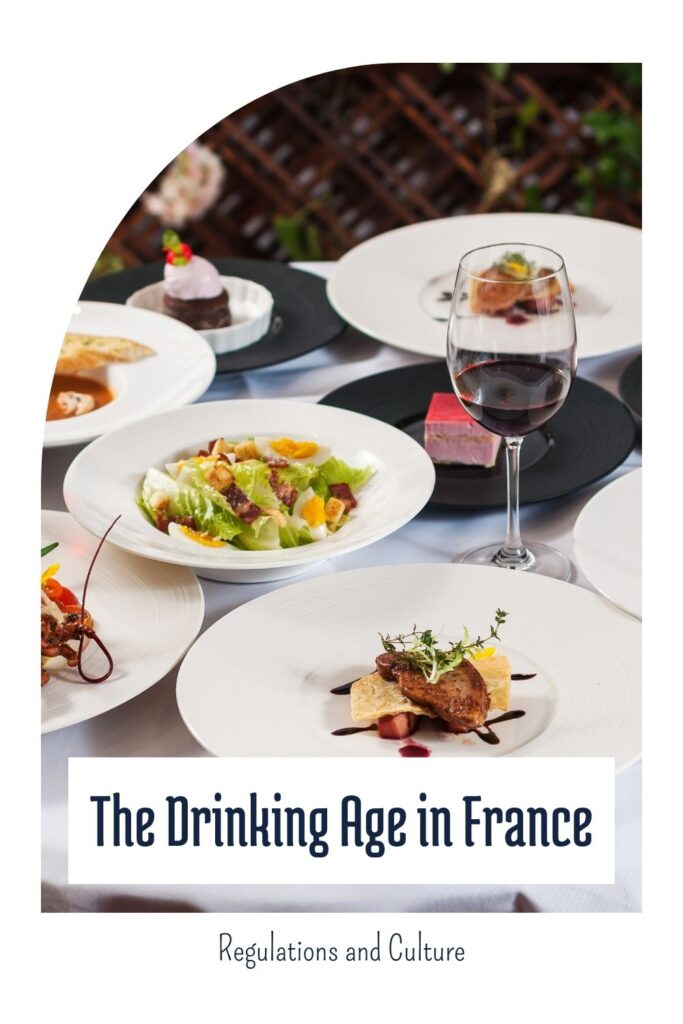
France is world-renowned for its wine, culinary excellence, and vibrant cultural scene. Yet, when it comes to the drinking age in France, many are surprised by how the country’s approach to alcohol differs from that of other nations.
Understanding the Legalities
The Legal Drinking Age in France
In France, the minimum legal drinking age for purchasing and consuming certain types of alcoholic beverages is 18 years of age. This age limit applies to hard liquor, beer, and wine sold in convenience stores and other retail outlets. However, cultural practices and family traditions sometimes see younger individuals being introduced to a glass of wine or diluted alcoholic beverages during family meals. It is important to note that while French children might be allowed to taste wine in a controlled setting, the national minimum drinking age act ensures that the sale of alcohol to those under 18 is strictly regulated.
Enforcement in Public Places
The consumption of alcoholic drinks in public places is also subject to local laws. Public consumption is generally allowed, though there are restrictions during sporting events, near schools, and other sensitive areas. Authorities are particularly vigilant in monitoring behaviours that could lead to binge drinking or alcohol abuse, especially among young adults.
Proof of Age and Identification
In France, retailers often require a valid form of identification as proof of age to ensure compliance with legal regulations and prevent illegal sales. In an era where TikTok videos can make or break trends, industry leaders and top providers in the alcohol market must be cautious about their advertising strategies, especially when targeting young people.
Cultural Norms and Social Situations
French Wine and Cultural Identity
French wine is a cultural symbol that has influenced the nation’s identity for centuries. The tradition of drinking wine during meals is deeply embedded in French culture, with many French people viewing moderate alcohol consumption as a natural part of daily life. This cultural norm stands in contrast to the practices in the United States and other countries, with a stricter stance on alcohol use among young people.
Family Meals and Early Exposure
It is common in many French households for teenagers, sometimes even children, to be introduced to alcohol responsibly. Under parental supervision, a small sip of wine with dinner is seen as a way to educate French kids about the art of moderation. This early exposure, while different from the outright prohibition seen in some European countries, is intended to instil respect for alcohol use rather than encourage excessive consumption.
Social Situations and Public Areas
Public social settings, such as happy hours in cafes and bars, play an essential role in how alcohol is perceived and consumed. Here, the atmosphere is relaxed, focusing on enjoying life rather than the state of drunkenness. However, public health services continue to monitor trends in daily alcohol consumption to address issues like alcohol poisoning and petty crimes related to overindulgence.
Comparative Perspectives: France vs. Other Regions
United States vs. France
France’s more relaxed approach to alcohol consumption often sparks debate compared to the United States, where the minimum legal drinking age is strictly set at 21. Critics argue that this early exposure may contribute to binge drinking in some cases, while proponents insist that the cultural emphasis on moderation helps mitigate such risks. Data from sources like Statista R indicate that while alcohol sales are high in both regions, the patterns of consumption and public health services outcomes vary significantly. The World Health Organization often cites the need for tailored approaches based on societal values and historical practices.
Insights from the United Kingdom and Other European Countries
In the United Kingdom and many European countries, the age limit for alcohol consumption is similarly set at 18. However, the social context and alcohol advertising regulations differ. In France, the emphasis is on responsible enjoyment rather than prohibition, which many believe contributes to a more balanced relationship with alcohol. Renowned media brands have even featured exclusive rankings and top lists that compare alcohol consumption habits across these regions, often highlighting the benefits of France’s cultural approach.
Comparisons with Regions like British Columbia and Prince Edward Island
Across the Atlantic, regions like British Columbia and Prince Edward Island in Canada maintain stricter controls over alcohol consumption. Canadian citizens and policymakers often reference the French model when discussing alcohol advertising and the balance between tradition and regulation. While some argue that the French system encourages alcohol abuse in its more lenient form, others point to the importance of clean water, nutrition, and robust public health services as mitigating factors.
Lessons from Western Australia and New Brunswick
Other parts of the world, such as Western Australia and New Brunswick, offer interesting comparisons. Here, efforts to lower the state of drunkenness include campaigns promoting less alcohol consumption and increased awareness of the risks associated with alcohol abuse. These initiatives, backed by industry leaders and top providers, seek to address the challenges of modern alcohol use while respecting cultural practices.
Insights from Puerto Rico and Other Regions
Regions like Puerto Rico offer a unique perspective on alcohol consumption, blending Caribbean cultural influences with stricter enforcement of legal regulations. Similarly, areas such as the United Kingdom and European countries have their own nuanced approaches to alcohol control. These differences underscore the importance of understanding that what works in one region may not directly apply to another, especially regarding the social acceptance of a glass of wine during meals or public celebrations.
Social Media, Trends, and Modern Influences
The Role of TikTok and Social Media
In recent years, platforms like TikTok have emerged as influential channels for sharing content about happy hours, family meals, and the responsible enjoyment of hard liquor and wine. Influencers often highlight tips on moderation, showcase exceptional brands, and offer guidance on navigating local laws. This digital shift has given rise to exclusive rankings and top lists that offer insights into the best practices for alcohol consumption, especially among young persons.
Impact on Consumption Habits and Advertising
The evolution of alcohol advertising through social media has led to creative campaigns that resonate with modern audiences. Many of these campaigns emphasize a balanced approach to drinking—encouraging people to enjoy a glass of wine or partake in drinking wine at their own time, such as during family meals or casual gatherings. However, these advertisements are carefully regulated by authorities to ensure they do not target underage individuals or encourage risky behaviours like binge drinking.
Public Health and Safety Concerns
Addressing Alcohol Poisoning and Abuse
One of the major concerns for public health services in France is the prevention of alcohol poisoning and the curbing of alcohol abuse. While the cultural norm of moderate consumption is prevalent, incidents related to excessive drinking can still occur, especially in contexts where public transport and grocery stores make alcohol readily available. Health campaigns often target both young people and older adults, emphasising the importance of moderation and the risks associated with daily alcohol consumption beyond safe levels.
Regulations on Alcohol Advertising and Sale
The French government has implemented strict regulations on alcohol advertising to prevent misleading promotions and the targeting of vulnerable groups. Measures include limiting advertisements in media consumed by French teenagers and requiring clear warnings about the risks of alcohol abuse. These legal measures are designed to protect not only French children but also the broader French population by ensuring that the sale of alcohol remains within a framework that promotes responsible consumption.
Role of Public Health Services
Public health services in France actively monitor trends in alcohol use and work in tandem with law enforcement to ensure that local laws are enforced. This collaborative approach aims to reduce instances of petty crimes and the state of drunkenness in public areas. Programs focusing on education and prevention are often highlighted during sporting events and community gatherings, providing a holistic approach to managing alcohol-related issues.
Economic Impact and Industry Insights
The Alcohol Sales Industry
The alcohol industry in France is a significant economic force, with alcohol sales contributing billions of euros annually. Industry leaders and top providers continually adapt to market trends and consumer behaviour, often incorporating digital trends from social media platforms to reach a broader audience.
The Role of Convenience Stores and Credit Card Transactions
In France, the sale of alcohol through grocery stores and convenience stores is an essential aspect of the market. These outlets must adhere to stringent guidelines regarding the minimum age for purchasing alcoholic beverages. In many cases, transactions involving alcohol require a credit card or other forms of identification to verify that the buyer meets the legal requirements. This process is crucial in controlling alcohol advertising and ensuring local laws are followed.
International Perspectives and Legal Comparisons
Legal Guardian Considerations and Youth Education
In France, the role of a legal guardian is crucial in educating young people about responsible alcohol consumption. Many initiatives focus on imparting knowledge about the potential greater risk of alcohol-related harm if consumption is not moderated. By involving families in the conversation, France aims to ensure that young people understand both the pleasures and pitfalls of alcohol use from a young age.
Addressing Modern Challenges and Future Directions
Tackling Binge Drinking and Overconsumption
Despite the many positive aspects of France’s cultural approach to alcohol, challenges such as binge drinking and alcohol abuse remain significant concerns. Authorities continue to develop strategies to mitigate these risks through education, targeted advertising restrictions, and enhanced public health initiatives. Programs aimed at reducing daily alcohol consumption and promoting less alcohol in high-risk situations are increasingly common.
The Influence of Social Media on Drinking Norms
In the digital age, social media platforms such as TikTok are critical in shaping attitudes toward alcohol. With influencers showcasing everything from how to enjoy a glass of wine responsibly to highlighting exceptional brands during family meals, the message is increasingly one of moderation and informed choice. However, there is also the risk that such platforms may glamorize excessive drinking, making it essential for industry leaders and regulators to maintain a balance in their messaging.
Public Transport and Safety Measures
An emerging area of focus is the intersection between alcohol consumption and public safety. In urban centres, policies regulating the consumption of alcoholic drinks in public transport hubs are being revisited to reduce incidents related to the state of drunkenness. These measures, supported by public health services, ensure that while French people continue to enjoy their beloved beverages, safety remains a priority.
The Future of Alcohol Consumption in France
Evolving Legal Regulations
As social attitudes evolve and new challenges emerge, France will likely see adjustments in its legal regulations surrounding alcohol. Discussions about potentially raising the minimum age for certain types of alcoholic beverages are ongoing, particularly as experts and policymakers continue to raise concerns about alcohol abuse and binge drinking. At the same time, the emphasis on responsible consumption and the cultural heritage associated with French wine is expected to remain a core value.
Education and Public Awareness Campaigns
Education will continue to play a vital role in shaping the future of alcohol consumption in France. Programs that focus on the benefits of moderate consumption, the risks of alcohol poisoning, and the importance of clean water and nutrition are essential in fostering a healthy relationship with alcohol. These campaigns are often supported by renowned media brands and community organisations, which together work to ensure that the message of responsible drinking reaches all segments of the french population.
Practical Tips for Visitors and Residents
For both young adults and visitors to France, understanding the local alcohol laws is crucial. Here are some practical tips:
- Always carry identification: Whether purchasing alcoholic drinks at a grocery store or enjoying at a local cafe, you may be asked to provide proof of age.
- Respect public consumption rules: Be aware of areas where drinking in public places might be restricted, such as near schools or during sporting events.
- Moderation is key: French culture promotes enjoying a glass of wine with a meal rather than engaging in binge drinking. Embrace this approach to enhance your social experiences without risking overconsumption.
- Follow local customs: When invited to a family meal or a social gathering, accept the opportunity to learn more about French culture and the traditions surrounding drinking wine responsibly.